
Complete guide to studying in Turkey
Everything you need to know about becoming an international student in Turkey
Top reasons to study in Turkey
Turkey is becoming an increasingly popular study destination thanks to its blend of cultural heritage, modern universities and accessible costs. For many international students, it offers an ideal balance of academic quality and lifestyle
Some of the main reasons to choose Turkey include:
- A rich cultural environment blending European and Middle Eastern influences
- High-quality universities with globally recognised qualifications
- A growing number of English-taught programmes
- Affordable tuition fees and cost of living
- Warm, welcoming communities and lively student cities
- A strategic location that makes travel easy across Europe, Asia and the Middle East
A quick introduction to Turkey
Turkey sits at the crossroads of Europe and Asia, giving it a unique character shaped by centuries of history, trade and cultural exchange. Its major cities are hubs of education, innovation and student life.
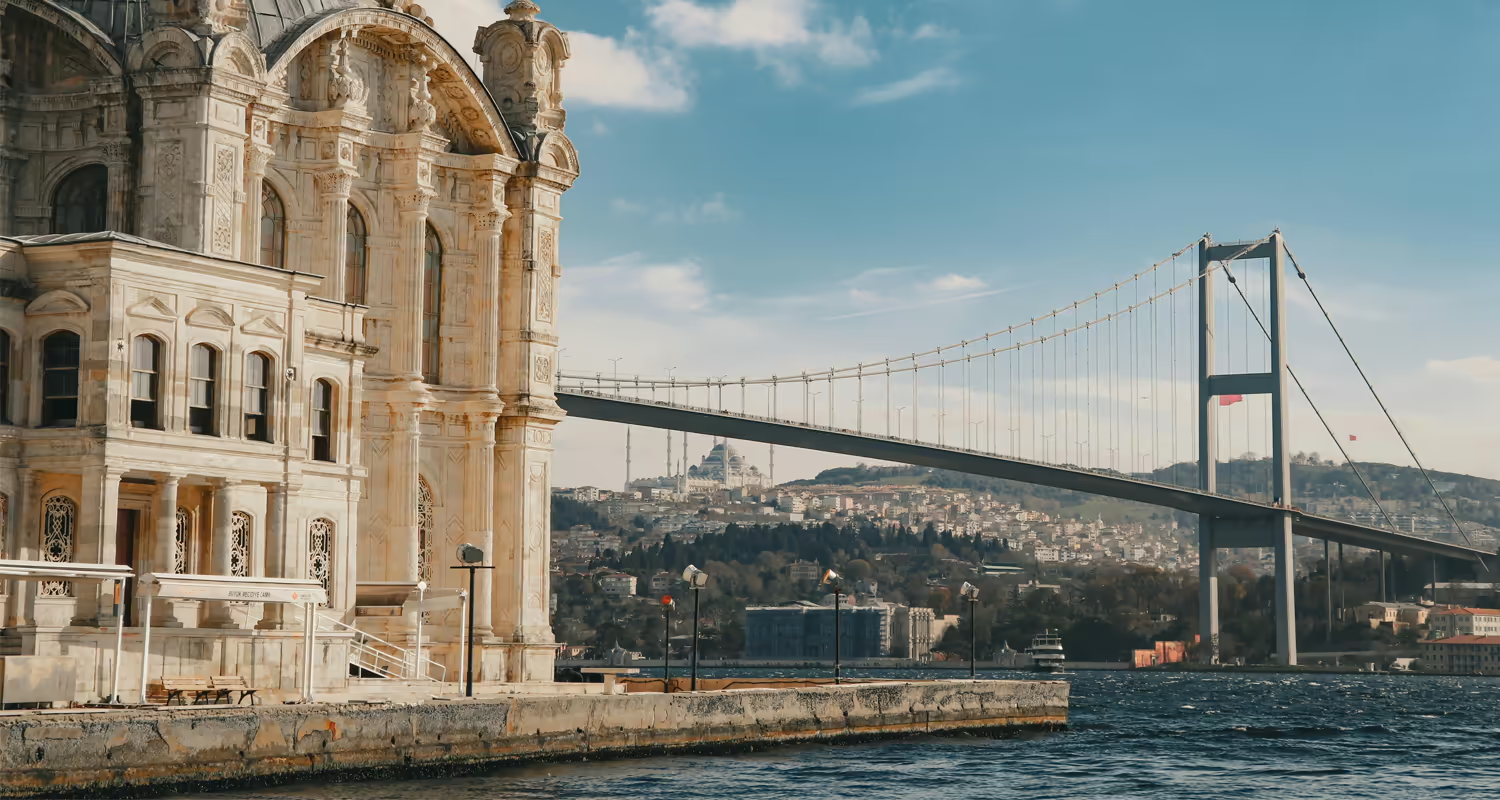
Istanbul stands out as a city where ancient landmarks meet modern skyscrapers, while Ankara, the capital, is known for its research institutions and political significance.
The country is a member of the European Higher Education Area (EHEA), participating fully in the Bologna Process. This means degrees follow the ECTS credit structure and are widely recognised internationally.
More than eight million students are enrolled in higher education in Turkey, creating a dynamic academic atmosphere. International student numbers continue to rise each year due to Turkey’s accessible tuition fees, generous scholarship schemes and increasing global visibility.
Articles related to studying in TurkeyThe regions of Turkey
Turkey is divided into seven major geographical regions, each offering different landscapes, cultures and styles of student life.
The Marmara Region is the economic heart of the country, dominated by Istanbul’s international atmosphere. Central Anatolia, centred around Ankara, offers a more structured, academic lifestyle in a continental climate.
Students who prefer coastal living often gravitate toward the Aegean and Mediterranean regions, where cities like Izmir and Antalya offer warm weather and a relaxed atmosphere.
The Black Sea region is known for its greenery, cooler temperatures and traditional culture, while Eastern and Southeastern Anatolia appeal to those interested in historical sites, mountain landscapes or a slower pace of life.
All universities in Turkey
- Abdullah Gül University
- Aksaray University
- Bogazici University
- Gazi University
- Istanbul Aydin University
- Istanbul Bilgi University
- Istanbul Technical University
- Okan University
- Sabanci University
- Üsküdar University
- Yasar University
Turkey’s higher education system
Turkey’s universities and colleges are supervised by the Council of Higher Education (YÖK), which regulates quality and accreditation. There are more than 200 institutions nationwide, offering a wide range of academic and practical programmes.
State universities
State universities form the core of the Turkish higher education system. They are known for strong academic traditions, comprehensive research facilities and highly competitive admission standards.
Institutions such as Middle East Technical University (METU), Boğaziçi University, Istanbul University, Hacettepe University and Ankara University are particularly well respected.
Most state universities offer programmes in both Turkish and English, with English-medium teaching common in subjects like engineering, natural sciences, business and social sciences.
Foundation (private) universities
Foundation universities are non-profit institutions with modern facilities, smaller classes and a wide selection of English-taught programmes. Popular examples include Koç University, Sabancı University, Bilkent University and Bahçeşehir University.
These universities often emphasise international collaboration, industry partnerships and innovation, making them attractive to students seeking a more personalised learning environment. Tuition fees are higher than at state institutions, but scholarships and tuition waivers are widely available.
Vocational and specialised colleges
Turkey’s vocational schools provide two-year associate degrees focused on practical career skills in fields such as tourism, graphic design, IT, engineering technologies and healthcare.
The country also houses fine arts conservatories and arts faculties offering training in visual arts, music, theatre and cinema.
Climate
Turkey has a surprisingly diverse climate due to its size and geography. Coastal regions such as Izmir, Antalya and Istanbul enjoy mild, wet winters and warm, sunny summers.
Central Anatolia, including Ankara, experiences a continental climate with hot, dry summers and cold, snowy winters.
The Black Sea region remains humid and rainy throughout the year, creating lush green landscapes, while Eastern Anatolia has much harsher, longer winters with heavy snowfall.
In general:
- Summer temperatures range from 25°C to well over 35°C depending on the region.
- Winter temperatures vary widely, from mild on the coast to below freezing in central and eastern areas.
An a student, it helps to prepare for seasonal changes, but you will find that Turkey offers long periods of pleasant weather and many opportunities for outdoor activities.
Lifestyle and welfare
Turkey provides an excellent quality of life for students. Major cities offer modern amenities, reliable public transport, a vibrant cultural scene and plenty of opportunities to socialise. Living costs are significantly lower than in many Western destinations, making daily life more manageable for students on a budget.
Healthcare
International students must have health insurance during their studies. This can be arranged privately or through the national system (SGK) once a residence permit is obtained. Medical services are widely available, and hospitals in major cities are modern and well-equipped. University campuses often have their own health centres offering routine care.
Food
Turkish food is a major highlight of student life. Meals are often affordable, varied and full of flavour.
Students can enjoy everything from traditional dishes like gözleme, börek, döner and mercimek çorbası to international cuisine, vegetarian options and trendy cafés.
University canteens typically offer low-cost meals, making it easy to eat well without overspending.
Leisure
Turkey is rich in history, arts and natural beauty. Students can visit ancient ruins, explore museums, enjoy theatres and concerts, or take part in hiking, sailing or skiing depending on the season.
Each university has its own student clubs, sports teams and cultural groups, offering plenty of opportunities to get involved.
Transport
Public transport is affordable and efficient. Istanbul, Ankara and Izmir have metros, trams and extensive bus networks.
Intercity buses are frequent and comfortable, and high-speed trains connect major inland cities. Domestic flights are common and often very inexpensive, allowing students to explore the country easily.
Safety
Turkey is generally safe for international students. University campuses have security teams, and cities are well lit and busy throughout the day.
As with any major destination, caution is advised in crowded places, but most students find local communities friendly and eager to help.
Sign up to our regular email updates with advice on destinations, universities, scholarships and everything you need to prepare for studying overseas.
Sign up to our free emails nowLanguages
The official language is Turkish, though English is widely spoken in universities, large cities and tourist areas.
Many degree programmes, especially at foundation universities and top state institutions, are taught entirely in English.
Students often find that learning some basic Turkish makes daily life easier and helps them integrate more quickly. Most universities offer language courses tailored for beginners.
University cities
Istanbul
Turkey’s largest and most famous city is a global centre of culture, business and education. It offers a blend of historical landmarks, modern architecture, vibrant nightlife and diverse student communities.
Universities such as Boğaziçi University, Koç University, Sabancı University, Istanbul Technical University and Bahçeşehir University give the city a strong academic presence. Istanbul is ideal for students who enjoy fast-paced city life and a multicultural environment.
Ankara
The capital city is more structured and academic in atmosphere. It is home to prestigious universities such as METU, Bilkent University, Ankara University and Hacettepe University.
Students in Ankara benefit from a quieter environment, excellent research facilities, efficient public transport and a strong sense of academic focus.
Izmir
Aegean coastal living defines Izmir. Known for its Mediterranean climate, friendly communities and café-lined streets, it offers a relaxed and enjoyable lifestyle.
Ege University, Dokuz Eylül University and Izmir University of Economics attract many international students. Izmir balances affordability, culture and a pleasant environment.
Antalya
Antalya offers sunshine, beaches and historical sites alongside growing academic institutions such as Akdeniz University and Antalya Bilim University.
The city suits students who enjoy outdoor activities, warm weather and a calmer pace of life.
Bursa
Located near Istanbul and surrounded by mountains, Bursa combines industry with traditional architecture. Uludağ University and Bursa Technical University give the city a strong student presence. Bursa is known for its lower living costs compared to major coastal cities.
Trabzon
Situated on the Black Sea coast, Trabzon offers a cooler, greener environment and a close sense of community.
Karadeniz Technical University is the main institution in the region. Students who prefer a quieter city with strong cultural traditions may find Trabzon especially appealing.
Student visa
International students must obtain a student visa before arriving in Turkey unless exempt through specific agreements. A typical visa application requires an acceptance letter from a Turkish university, passport photographs, financial proof and relevant forms.
After arrival, students must apply for a residence permit within the first month. This permit allows them to stay legally for the duration of their studies and may allow limited part-time work depending on regulations and university policies.
Costs of studying
Turkey is widely recognised for offering high-quality education at relatively low cost.
State universities usually offer the most affordable tuition, especially for programmes taught in Turkish. English-medium programmes carry slightly higher fees but remain competitive internationally. Foundation universities charge higher tuition fees, but many offer substantial scholarships to international students.
Living costs vary by city. Istanbul is the most expensive, while cities such as Izmir, Bursa, Konya and Trabzon are more affordable. Most students manage comfortably on a modest monthly budget, especially when living in shared accommodation or university residences.
How to apply to university in Turkey
Applications are made directly to each institution. Students typically submit academic transcripts, a passport copy, proof of language proficiency, a personal statement and, when required, letters of recommendation.
Some universities request SAT scores or require candidates to take the YÖS exam specifically designed for international applicants.
Deadlines vary, but applications are usually open from spring to late summer. Because requirements differ across institutions, students should check each university’s admission criteria carefully.
Job prospects for international students
Turkey’s economy is diverse and offers opportunities in fields such as engineering, IT, finance, tourism, logistics, manufacturing and healthcare.
Major urban centres, especially Istanbul, Ankara and Izmir, host multinational companies and growing start-up sectors.
Knowing Turkish significantly improves employability, although some international companies and English-medium institutions offer roles that do not require fluency.
Graduates can apply for a work permit after securing a job offer, and internships during studies are highly encouraged.
Frequently asked questions
Is it free to study in Turkey?
No. Tuition fees apply at all universities, but state institutions offer very affordable rates, and many scholarships are available for international students.
Am I allowed to work while studying?
In many cases, yes. International students can work part-time if they meet the necessary visa and residence conditions, and if their employer is approved. Graduate students in particular often have more flexibility to work alongside their studies.