
Complete guide to studying in Mauritius
Everything you need to know about becoming an international student in Mauritius
Five top reasons to study in Mauritius
- Warm, multicultural society with a welcoming attitude toward international students
- High-quality universities with strong programmes in business, medicine, IT and tourism
- Beautiful island environment with year-round sunshine and a relaxed lifestyle
- Affordable tuition fees and moderate living costs compared to many other study destinations
- English widely used in higher education, with French and Creole enriching daily life
A quick introduction to Mauritius
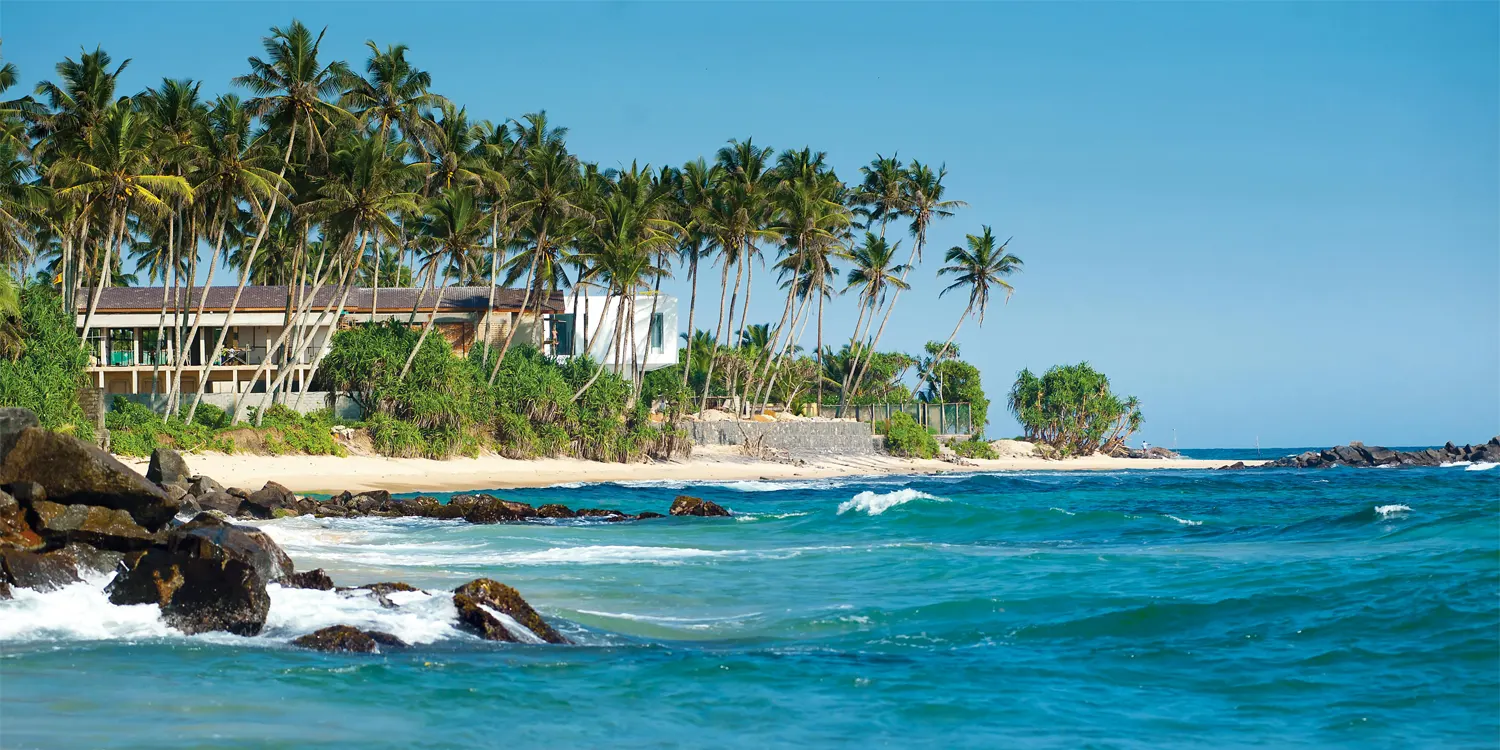
Mauritius is a tropical island nation located in the Indian Ocean, east of Madagascar. Known for its calm lagoons, palm-fringed beaches and volcanic landscapes, it is also one of Africa’s most stable and economically developed countries.
International students are drawn to Mauritius for its safe environment, multicultural society and growing reputation as an emerging higher-education hub.
Over the past decade, student numbers from across Africa and Asia have increased, with many choosing Mauritius for English-taught degrees, lower fees than Western universities and the opportunity to live in a peaceful, picturesque location.
Alongside Mauritian Creoles and Indo-Mauritians, you’ll meet students from India, Nigeria, Kenya, South Africa, China and France, as well as a growing number of students from the Middle East.
Mauritius’ higher education system
Mauritius follows a degree structure compatible with international standards, offering bachelor’s, master’s and doctoral programmes across public and private institutions.
The country aims to be an educational hub for the African and Asian regions, and many universities have partnerships with institutions in the UK, France, India and Australia.
Public universities
Mauritius has several public institutions offering a wide range of subjects, including engineering, management, medicine, ocean sciences and social sciences. The University of Mauritius and the University of Technology Mauritius are particularly well-known for academic quality and industry links.
Private universities and branch campuses
The island is home to an increasing number of private institutions and international branch campuses. These offer globally recognised programmes and often emphasise employability, internships and professional training. Examples include branch campuses of French business schools, Indian universities and UK-affiliated institutions.
Programmes taught in English
English is the primary language of instruction in most universities, although French may be used in some administrative settings or specific programmes. This makes Mauritius a popular option for students seeking an English-speaking study environment outside Europe or North America.
Climate
Mauritius enjoys a warm subtropical climate with two main seasons. Summers (November to April) are hot and humid, with temperatures around 25-33°C. Winters (June to September) are cooler and drier, averaging 17-25°C. Coastal regions are usually warm and breezy year-round, while the central plateau is slightly cooler.
Rainfall varies by region, with the east receiving more frequent showers due to the trade winds. Cyclones can occasionally occur between December and March, but the island is well prepared and universities provide clear guidance when needed.
For most students, the consistent warmth and sunny days make outdoor life one of the highlights of studying in Mauritius.
Lifestyle and welfare
Healthcare
Mauritius has a well-established public healthcare system that provides free basic services to residents. Many international students also purchase private medical insurance, which offers faster access to consultations and a wider network of clinics. Some universities require proof of health coverage as part of enrolment.
Leisure
Life in Mauritius offers a balance of natural beauty and cultural vibrancy. Weekends often mean beach outings, snorkelling, hiking or exploring volcanic landscapes. Towns such as Port Louis, Quatre Bornes and Curepipe offer bustling markets, food stalls and cultural festivals.
The island’s multicultural heritage, Indian, African, Chinese and European, shapes everything from food to music and religious celebrations. Students enjoy this rich blend, whether it’s tasting local curries, visiting temples or attending island-wide events like Cavadee or Chinese New Year.
Transportation
Public transport is widely used and inexpensive. Buses connect most towns and coastal areas, while taxis and ride-hailing services offer flexibility. Students living near campus often walk, cycle or commute short distances.
Mauritius also has a light rail system serving key areas around Port Louis, making travel easy for students in central regions.
Food
Mauritian cuisine is one of the country’s biggest attractions. Local dishes blend Creole, Indian, Chinese and European influences, making meals affordable, varied and flavourful.
Students can enjoy dishes such as dholl puri, fried noodles, briyani, curries and fresh seafood. Supermarkets are well stocked with international brands, and vegetarian options are widely available.
Safety
Mauritius is considered one of Africa’s safest nations, with low levels of violent crime and a generally calm atmosphere. Petty theft can occur in tourist areas, so normal precautions are sensible. Students usually find the island friendly, peaceful and easy to navigate.
Sign up to our regular email updates with advice on destinations, universities, scholarships and everything you need to prepare for studying overseas.
Sign up to our free emails nowUniversity cities
Mauritius is small, but students typically live and study in or near several key towns:
Réduit
Home to the University of Mauritius, Réduit is one of the island’s main academic centres. It is surrounded by green spaces and located close to Quatre Bornes and Ebene Cybercity.
Ebene
A modern business and technology hub hosting universities, offices and student residences. This urban district is ideal for those studying IT, business or finance.
Port Louis
The capital city offers cultural attractions, markets and a lively waterfront area. While not primarily a university town, some institutions have campuses here.
Rose-Hill and Quatre Bornes
Central towns with excellent transport links, popular with students for their affordability, food markets and proximity to various campuses.
Beau Bassin and Curepipe
Cooler, high-altitude towns with a quieter atmosphere, suitable for students who prefer calmer surroundings.
Languages
Mauritius is a multilingual country where several languages are used in daily life, reflecting the island’s diverse cultural heritage. This makes it a particularly welcoming environment for international students, as language barriers are usually minimal and English is widely understood.
The two most commonly used languages in everyday life are Mauritian Creole and French, which you will encounter in shops, markets, public transport and social settings. Creole is the island’s informal lingua franca, spoken across all ethnic groups, while French plays a major role in the media, business and everyday communication.
However, when it comes to higher education, English is the primary language of instruction. Lectures, assessments, academic materials and university administration are typically conducted in English, especially in fields such as medicine, engineering, IT, business and tourism.
Because of this, most international students adapt quickly to life in Mauritius and can comfortably study in English while also enjoying exposure to French and Creole in daily interactions.
Many universities offer optional language support or introductory classes for students who wish to learn French or Creole, both of which can be helpful for part-time work, internships or simply feeling more connected to the local community.
Student visas
International students (excluding those from certain regional agreements) require a student visa to study in Mauritius. The process typically involves:
- A confirmed offer from a Mauritian higher-education institution
- Proof of sufficient funds
- Health insurance
- A valid passport
- Medical clearance (required in some cases)
Visas are usually issued for the duration of the study programme and can be extended each academic year.
Costs of studying
Course fees
Tuition fees in Mauritius are competitive compared to Western universities. Costs vary by institution and programme, but international students can expect:
- Bachelor’s degrees: generally €2,000-€6,000 per year
- Master’s degrees: typically €3,000-€8,000 per year
- Professional and medical programmes: higher, depending on the provider
Public institutions tend to be more affordable, while private and international campuses may charge higher fees.
Living costs
Mauritius offers a moderate cost of living. Most students budget:
- €400-€700 per month for accommodation, food, transport and personal expenses
- Higher rents in coastal or tourist areas
- Lower costs in central towns or shared student housing
Accommodation ranges from private apartments to university residences and homestays.
Scholarships
Some Mauritian universities offer scholarships for academic excellence, regional partnerships or financial need. Additionally, international students may qualify for government or bilateral scholarships depending on their home country.
What can I study?
Mauritian universities offer a broad selection of programmes at undergraduate and postgraduate levels. Popular fields include business administration, hospitality and tourism, computer science, medicine, environmental studies, engineering, communications and international relations.
Most bachelor’s degrees take three years, while master’s programmes range from one to two years. Several institutions offer research degrees in specialised areas such as marine science, biodiversity and sustainability.
How to apply to university
Applications are made directly to each Mauritian university through online portals or downloadable forms. Required documents typically include:
- Academic transcripts and certificates
- Identity documents
- Proof of language proficiency
- A motivation letter
- Application fee
- Passport-sized photographs
Deadlines vary but most institutions accept applications several months before each semester begins.
Job prospects for international graduates
Mauritius has a growing economy in sectors such as finance, tourism, ICT, logistics, education and renewable energy. International companies have a strong presence, particularly in Ebene Cybercity.
English fluency is an advantage, and additional French skills can significantly improve employability.
Students from certain countries may be allowed limited part-time work during studies and can apply for work permits or residence permits after graduation if they secure employment.
Frequently asked questions
Is it free to study in Mauritius?
No. Tuition fees apply for all students, though costs are relatively affordable compared to many international destinations.
Am I allowed to work while I study?
Some international students may work limited part-time hours, depending on visa conditions. Always check specific regulations with your university and the Mauritian authorities.