
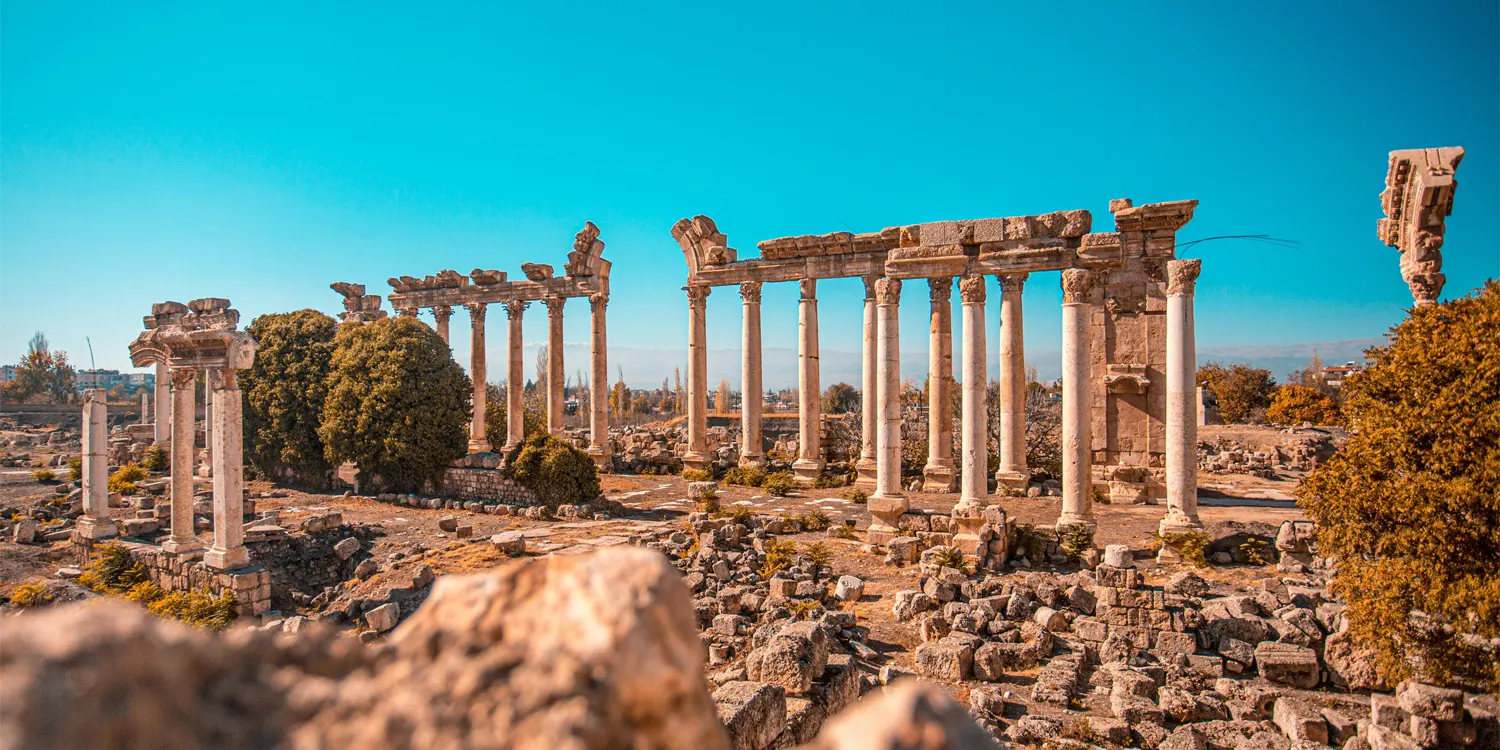
Complete guide to studying in Lebanon
Everything you need to know about becoming an international student in Lebanon
Top reasons to study in Lebanon
- Lively, welcoming student cities with strong cultural identity
- Excellent higher education traditions and respected academic institutions
- A crossroads of the Middle East with deep historical and linguistic diversity
- Affordable living costs and a warm Mediterranean lifestyle
- Rich multilingual environment with opportunities to study in Arabic, French or English
A quick introduction to Lebanon
Located on the eastern Mediterranean coast and bordered by Syria and Israel, Lebanon is a country with a long academic heritage, a vibrant culture and a remarkable blend of influences from East and West.
Lebanon appeals to international students who want a unique study abroad experience rooted in diversity, creativity and historic depth. The country is known for its multilingual society, its lively arts and culinary scene and its proud educational traditions.
Beirut, Lebanon’s capital, is often considered the intellectual and cultural heart of the country and is home to many international organisations, NGOs and universities. Lebanon follows a credit-based higher education structure closely aligned with global standards, enabling students to transfer or have credits recognised abroad depending on institutional partnerships.
Lebanese universities enjoy strong reputations in the region, particularly for business, medicine, engineering, humanities and international relations. The country has one of the highest rates of multilingualism in the Middle East and many institutions offer degrees in English or French in addition to Arabic.
Despite being a small nation, Lebanon attracts thousands of international students each year thanks to its quality institutions, dynamic lifestyle and relatively accessible tuition fees.
The regions and communities of Lebanon
Lebanon is known for its cultural and religious diversity. The country is divided into eight governorates that include Mount Lebanon, Beirut, the North, the South, the Bekaa and Nabatieh, each with its own character.
Communities in Lebanon include Arabic speakers across the country, alongside sizeable groups that have French or English as their primary languages of education. This linguistic mix is notable in the higher education system where many universities deliver full programmes in either English or French.
Lebanon’s higher education system
Lebanon has over 40 recognised higher education institutions, including long established private universities, public universities and specialised institutes.
Public universities
The main public university in Lebanon is the Lebanese University, one of the largest institutions in the region. It offers a broad range of academic programmes and tends to focus on strong theoretical learning and research across disciplines.
Private universities
Private universities form a major part of Lebanon’s higher education sector. Many are internationally recognised and maintain strong academic links abroad. Examples include:
- The American University of Beirut, known for research excellence and high global rankings
- The Lebanese American University, offering a wide range of programmes taught in English
- Université Saint Joseph de Beyrouth, a leading French language institution
- Beirut Arab University, offering programmes in Arabic and English
Private universities often follow American, French or regional academic models depending on their history.
Specialised institutes
Lebanon also hosts institutions dedicated to fine arts, architecture, hospitality, music and technical education. These schools offer focused, practically oriented programmes that attract students with specific career goals.
Climate
Lebanon enjoys a Mediterranean climate with warm summers, mild winters and plenty of sunshine throughout the year.
Coastal areas like Beirut remain warm and breezy in summer, with temperatures commonly between 25 and 32 degrees Celsius. Inland and mountainous regions can be cooler and are popular for hiking in summer and skiing in winter.
Winter temperatures on the coast usually range from 10 to 18 degrees Celsius, while the mountains experience snowfall. Seasonal changes are clearly noticeable, so layered clothing and a mix of warm and light items are useful.
Lifestyle and welfare
Lebanon offers a rich lifestyle that blends Mediterranean ease with a strong cultural identity. International students often comment on how quickly they feel at home due to the warmth of local communities.
Healthcare
Lebanon has both public and private healthcare services. Private hospitals are well known for their high standards.
If you are a non-Arab student
Health insurance is required. You may either:
- Join a local insurance plan once enrolled at your university, or
- Use an international policy that covers clinics, hospitalisation and emergency treatment in Lebanon.
Check that your insurance is widely accepted before arriving.
If you are from an Arab country with a regional agreement
You may be eligible for partial coverage or simplified access to care, but most students still choose local or private insurance for convenience.
Registering with a trusted clinic near your university is recommended once you settle.
Food
Lebanese cuisine is celebrated across the world. Students enjoy a range of daily habits that reflect the country’s culinary culture.
- Breakfast often includes manakish, labneh or fresh pastries.
- Lunch is typically eaten between 13:00 and 15:00. Student cafeterias offer affordable meals.
- Dinner usually begins from 19:00 and is often a social event.
Lebanon offers excellent street food, including shawarma, falafel, hummus and grilled dishes. Fresh produce is widely available and local markets are popular among students.
Leisure
Lebanon has a strong emphasis on social life, outdoor activities and the arts.
- Beirut’s Corniche is a favourite spot for meeting friends or enjoying the sea views.
- Universities host numerous clubs, cultural events and student organisations.
- Hiking, cycling and skiing are available depending on the season.
- Music, theatre and film festivals take place throughout the year.
Transport
Travel within Lebanon is mainly by shared taxis, buses and ride hailing services.
- Intercity travel is relatively quick due to short distances.
- Students in Beirut often rely on walking or taxis for daily transport.
- Car rental is available but not usually necessary for students.
Safety
Lebanon is a welcoming country with strong community ties. Students usually report feeling safe on campuses and in residential areas. As in any large city, it is important to stay aware of your surroundings, especially at night or in crowded places. Universities have student support offices in case you ever need assistance.
Sign up to our regular email updates with advice on destinations, universities, scholarships and everything you need to prepare for studying overseas.
Sign up to our free emails nowLanguages
Lebanon is linguistically diverse, Arabic is the official national language.Due to the country’s history, French is widely used in education, business and many private universities. English is also commonly spoken, particularly in international institutions and urban areas.
The language of instruction depends on the university. Many programmes are offered entirely in English or French. Learning some basic Arabic will help you improve daily interactions and deepen your experience.
University cities
Lebanon offers several student friendly cities, each with its own character.
Beirut
Beirut is the cultural, economic and academic centre of Lebanon. It is home to many leading universities and has a lively social and artistic scene. Students enjoy its cafés, waterfront, galleries and nightlife. English, French and Arabic are all widely spoken.
Tripoli
Located in the north, Tripoli is known for its historic old city, markets and traditional architecture. It is more affordable than Beirut and hosts several higher education institutions in a quieter environment.
Byblos (Jbeil)
Byblos is one of the oldest cities in the world and offers a relaxed coastal lifestyle. It is home to the main campus of the Lebanese American University and is popular for its beaches, historic sites and student friendly atmosphere.
Zahle
Situated in the Bekaa Valley, Zahle has a welcoming feel and a strong local food culture. Students enjoy the slower pace, cooler climate and easy access to natural landscapes.
Sidon and Tyre
These southern coastal cities offer a blend of heritage, beaches and community life. They are ideal for students who prefer smaller, less crowded environments.
Student visa
International students entering Lebanon for study usually require a student visa. The process involves:
- Obtaining acceptance from a recognised Lebanese university
- Applying for the student visa at the nearest Lebanese embassy
- Presenting proof of financial means, accommodation and health insurance
Upon arrival, students may need to complete residency procedures through the General Security office. If you are from certain Arab countries, visa processes may be simpler.
Costs of studying
Course fees
Tuition fees in Lebanon vary depending on the institution. Public university fees for international students are relatively low compared to European universities. Private universities charge higher tuition, particularly those offering programmes in English or French.
Annual fees typically range from 3,000 to 12,000 USD, with specialised programmes sometimes higher.
Living costs
Lebanon is generally affordable compared to many Western destinations. Approximate monthly student budgets will depend on where you study. For example a student living in Beirut should expect to spend around 700 to 1,200 USD per month, but if you live outside of Beirut that can range from 500 too 800 USD per month.
This includes rent, food, transport and personal expenses. Costs vary based on lifestyle and the area you choose.
How to apply to university in Lebanon
Lebanon does not use a centralised application system. Students apply directly to each university.
Common requirements include:
- An online application form
- Academic transcripts and certificates
- Proof of language ability in Arabic, English or French depending on the programme
- A passport copy
- A personal statement or motivation letter
- Recommendation letters for competitive programmes
Some courses may require entrance exams, especially in medicine, engineering or architecture. Deadlines vary, so early preparation is important.
Job prospects for international students
Lebanon offers opportunities for graduates in fields such as engineering, media, NGOs, hospitality, business and education. The country hosts many international organisations and regional headquarters.
Knowledge of Arabic is valuable, although English or French may be sufficient in certain sectors.
International students should check current regulations on work permits during and after studies, as these can vary. Internships during your degree can help build connections.
Frequently asked questions
Is it free to study in Lebanon?
No. Tuition fees apply and vary by institution. Public universities are more affordable, while private universities charge higher fees, especially for English taught programmes.
Am I allowed to work while studying?
International students may work part time in Lebanon, subject to the country’s work regulations. A permit is usually required, and your university can advise you on the relevant procedures.