
Study in Nantes, international student city guide
Nantes is a lively, creative city on France’s Atlantic coast that blends history, innovation, and a strong student culture.
As one of France’s fastest growing cities, Nantes attracts international students with its high quality of life, relatively affordable living costs, and welcoming atmosphere. The city is known for its green spaces, riverfronts, and bold cultural projects, alongside a growing reputation for technology, design, and research. It offers the feel of a large student city without the pressure and expense of Paris.
Nantes’ universities and grandes écoles are well regarded in France and internationally. Many institutions offer programmes taught in French, with an increasing number of English taught master’s degrees, especially in engineering, business, and international studies. Whether you are interested in science, engineering, arts, humanities, or business, Nantes provides strong academic options and excellent industry links.
The city also has a diverse local economy with opportunities in engineering, digital industries, logistics, healthcare, and the creative sector, making it a good place for internships and work experience during or after your studies.
Universities in Nantes
Nantes has a varied higher education landscape, combining a major public university with respected engineering schools, business schools, and specialist institutions. Together, they create a strong academic environment with a focus on innovation, sustainability, and collaboration with industry.
Public universities
These institutions offer affordable tuition, especially for EU students, and cover a wide range of disciplines.
- Nantes Université
- École Centrale de Nantes
- ONIRIS National Veterinary, Food Science and Engineering School
Business schools and grandes écoles
These are selective institutions with a strong professional focus and international outlook. Many programmes are taught in English.
- Audencia Business School
- IMT Atlantique
- ICAM Nantes
- Polytech Nantes
Specialist and applied institutions
Nantes also hosts art, design, architecture, and applied sciences schools, including:
- L’École de design Nantes Atlantique
- Nantes Atlantique School of Architecture
- Sciences Po Rennes, Nantes campus
- LISAA School of Art and Design Nantes
- EPSI School of Engineering Nantes
Cost of living and tuition fees
Nantes is more affordable than Paris and many other large French cities. Below is a general estimate of annual costs for international students.
- Public university tuition: around €170 to €600 per year for EU students; higher fees may apply for some non EU students depending on the programme.
- Private institutions and grandes écoles: €8,000 to €15,000 per year.
- Accommodation: €3,600 to €7,200
- Food and groceries: €1,800 to €2,400
- Transport: €300 to €500 with a student travel pass
- Other expenses: €1,200 to €1,800
Overall, Nantes offers good value for money, especially when balancing rent, transport, and quality of life.
Visa and immigration information
EU and EEA students do not need a visa to study in France. Non EU students must apply for a French student visa before arrival and validate their residence permit after entering the country.
More details can be found in our France student visa guide.
Sign up to our regular email updates with advice on destinations, universities, scholarships and everything you need to prepare for studying overseas.
Sign up to our free emails nowStudent life in Nantes
Nantes is a true student city, with more than 60,000 students creating a young, energetic atmosphere. Student life is active and friendly, with a strong emphasis on culture, sustainability, and social engagement.
Universities and student associations organise welcome weeks, international meet ups, language exchanges, sports activities, and cultural events throughout the year. Erasmus networks are particularly active, making it easy for international students to meet people and settle in quickly.
The city has a rich cultural scene. You can explore historic sites like the Château des Ducs de Bretagne, enjoy contemporary art and performances, or experience the famous Machines of the Isle, featuring giant mechanical animals. Nantes also hosts music, film, and street art festivals that attract visitors from across France.
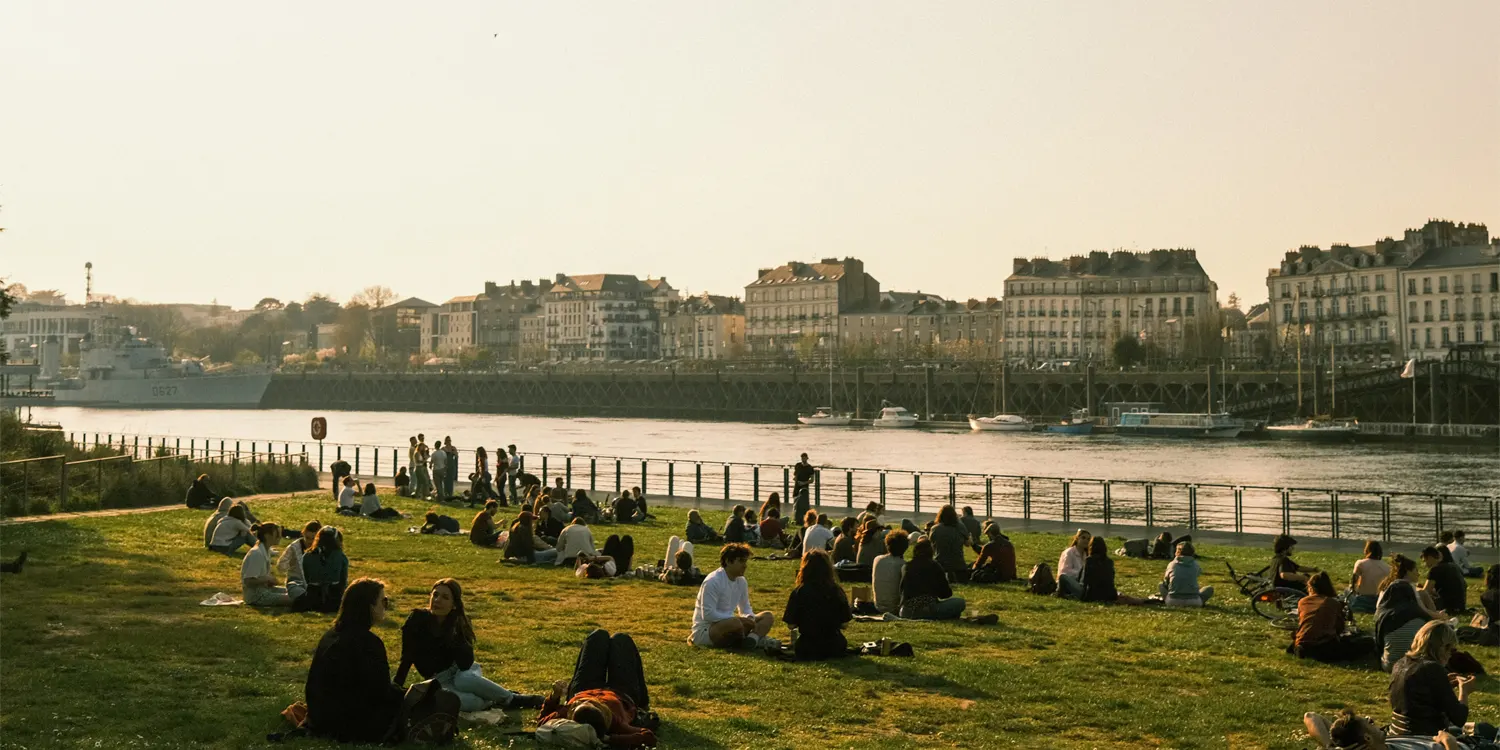
Green spaces are an important part of life in Nantes. The banks of the Loire River, the Jardin des Plantes, and numerous parks offer places to relax, study outdoors, or socialise with friends.
Students benefit from discounts on transport, museums, cinemas, and cultural events. Nantes is generally considered a safe city, but for practical advice, see our safety tips for international students.
Top 5 tourist attractions for students
- Château des Ducs de Bretagne, historic castle and museum
- Les Machines de l’Île, unique mechanical art installations
- Jardin des Plantes, one of France’s finest botanical gardens
- Île de Nantes, creative district with galleries and cafés
- Passage Pommeraye, elegant nineteenth century shopping arcade
Getting around Nantes
Nantes has one of the best public transport systems in France.
- Trams cover most of the city and run frequently.
- Buses and river shuttles connect outer areas.
- Cycling is very popular, with dedicated bike lanes and bike rental schemes.
- Walking is easy in the city centre.
Students can buy discounted monthly or annual transport passes at a low cost.
Career opportunities
Nantes offers strong career prospects for students and graduates, especially in engineering, digital technology, logistics, healthcare, and the creative industries.
The city is a hub for engineering and industrial innovation, particularly in areas such as renewable energy, naval engineering, aerospace, and advanced manufacturing. Many companies work closely with local engineering schools and universities, offering internships, apprenticeships, and graduate roles.
Nantes also has a growing digital and startup scene, with opportunities in software development, data, digital marketing, and user experience design. Creative industries such as design, media, and cultural production are well supported by the city’s infrastructure and events.
Healthcare and life sciences are another important sector, with hospitals, research centres, and biotech companies offering placements for students in medicine, pharmacy, and public health.
French universities and grandes écoles usually provide career support through internship offices, company partnerships, and job fairs. After graduation, non EU students can apply for a temporary residence permit that allows them to stay in France while looking for work related to their degree.
The pros and cons of living and studying in Nantes
Pros
- More affordable living costs than Paris and other major cities.
- Strong universities and respected grandes écoles.
- High quality of life with green spaces and a relaxed atmosphere.
- Good public transport and bike friendly streets.
- Active student and cultural scene.
Cons
- Fewer English taught programmes at undergraduate level.
- French language skills are important for daily life and work.
- Smaller job market than Paris for some sectors.
- Rainy weather at certain times of the year.
Nantes is an excellent choice for students who want a high quality education, a balanced lifestyle, and an authentic French city experience.