A Medical Student’s Inspiring Journey at the University of Antwerp
Every year, students from around the world choose the University of Antwerp as their academic home away from home, and for good reason. With a vibrant international community, high-quality education, and a location at the crossroads of Europe, studying here is more than just earning a degree, it’s an experience that can shape your future.
In this interview, we meet Lucie Kwizera, a medical doctor from Burundi currently pursuing a Master’s in Epidemiology. Her story is one of resilience, discovery, and adaptation, from navigating culture shock and changeable Belgian weather to finding community and joy in unexpected places.
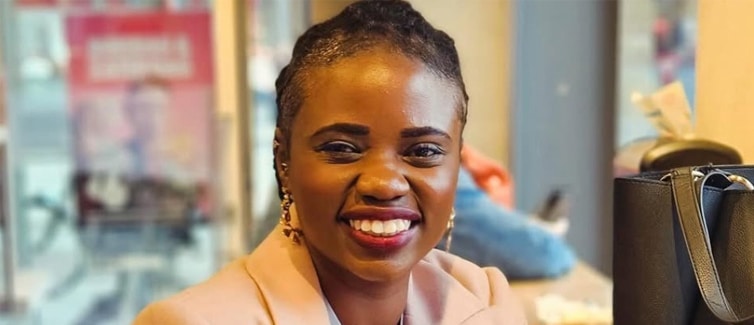
Q: Lucie, can you tell us a bit about yourself and what brought you to the University of Antwerp?
I’m Lucie, a medical doctor from Burundi. My journey into epidemiology began with my passion for humanitarian work. While I love medicine and still want to practise, many humanitarian organisations require a background in global or international health. Since those programmes are quite costly, I applied for a scholarship and was fortunate to receive one from the University of Antwerp.
Q: Was this your first experience living abroad?
Not at all. Due to conflicts in Burundi, I didn’t grow up there. I spent seven years in Zambia, a few months in South Africa, completed high school in Kenya, studied medicine in Cuba for eight years, and did a subspecialisation in the UK. So, I’ve moved around quite a bit!
Q: What were your first impressions of Belgium?
The number of people cycling was astonishing! I was surprised by the dedicated bike lanes, it’s something I had never seen before. Also, Belgium’s central location in Europe makes it easy to travel to nearby countries, which is really exciting.
Q: What were the biggest cultural adjustments for you?
The language was the first hurdle. Many of us from Burundi assume everyone in Belgium speaks French, but in Flanders, Dutch is the official language. Thankfully, most people in Antwerp speak English as well. Another big adjustment was how quiet public transport is here. In Africa, buses are lively, filled with chatter and greetings. Here, silence is the norm, which was quite a contrast. And of course, the weather…Very unpredictable! It could be sunny in the morning and raining ten minutes later.
Q: Have you experienced homesickness?
Yes, especially around Christmas. It’s hard having exams after the holidays instead of before, like I was used to. But I found comfort in the community feeling of students going through the same experience. For example I organised a party with other scholarship students where everyone brought dishes from their home country. That really lifted my spirits during the exam period.
Q: Are you able to stay in touch with your family and friends back home?
I keep in touch, although it’s not always easy. Some of my family lives near the Congo border where internet and electricity can be unreliable due to conflicts. Still, I’m able to speak regularly with my parents and friends, many of whom are also abroad. I feel more comfortable staying connected on a regular basis.
Q: Has living in Antwerp changed you personally?
Definitely. It’s pushed me to become more organised and resilient. I also tried learning Dutch, which has been challenging. But overall, this experience has made me stronger. I also had a positive experience with the police when I lost my bag, they helped me recover it, which made me feel safe and supported here.
Q: What advice would you give to future international students in Belgium?
Come prepared for all types of weather! Also, try to learn some Dutch before you arrive, it really helps. Research your programme’s curriculum and be ready for an enriching, though challenging experience. And if you love travelling, Belgium is the perfect base.
Q: What are your future plans after your studies?
If I manage to learn Dutch well, I’d love to stay in Belgium. The social system here is great. If not, I’d consider moving to Spain, where I can practise medicine more easily due to my Cuban degree. I’m also open to working with NGOs in Africa. My ultimate goal is to contribute to humanitarian work wherever I go.
Q: Finally, can you sum up your study abroad experience in one sentence?
“It was a great journey so far and Belgium keeps surprising me every day, in the best way.”